
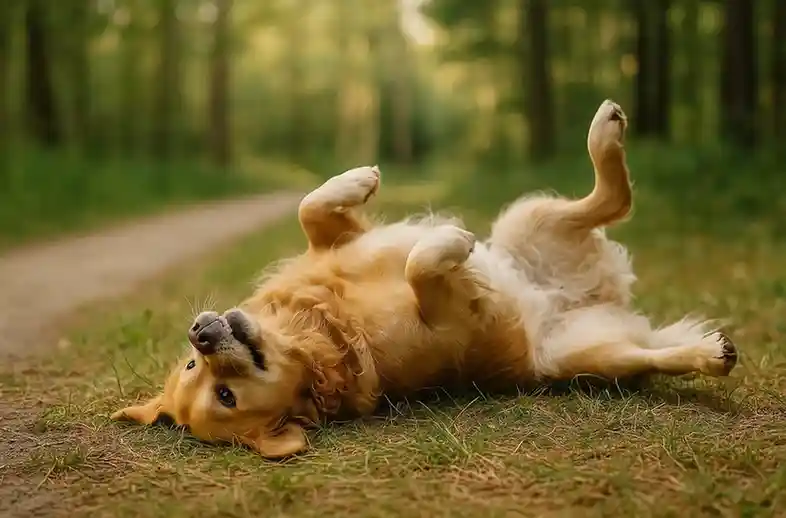
Why do dogs roll in smelly stuff?
It is one of those habits that can turn any dog owner dumb. What seems appalling to you appears to be actually an instinctive act based on the wild ancestry of your dog. When a dog rolls in something that smells bad, it is hardly an accident but nature communicating to them through their genes to act as their predecessors did to survive, communicate, and explore the world by scent.
My name is Dr. Elara Vance, a canine behavior expert in the U.S., and I have dedicated years of research on the reasons dogs behave the way they do, particularly when their instincts confuse us. I have seen countless dogs in hospitals and homes and each one of them showed that even the most unusual habits have their source in natural instinct and emotional expression.
In this blog, I’ll help you understand why your dog does it, what risks it can bring, and how you can manage the behavior safely, without breaking the bond between you and your furry friend.
Natural Instinct Behind The Behavior
Dogs may seem tamed to the fullest, however, their instincts remain wild. A dead animal is not just something that your dog will roll over, but a biological resonance of a time when survival relied on camouflage, odor masking and olfactory communication.
Read Also: Why Do Dogs Lick Each Others Ears
A Throwback To The Wild
However, way back to the times when dogs were not our family pets, their precursors, wolves, coyotes and wild dogs had to do everything by smell. Smelling strongly of a cada served as a disguise to their natural body smell.
Instinct That Never Fades
Although today dogs do not have to hunt to get food, such instincts do not simply disappear. When your dog rolls on something nasty, then he is not being naughty, he is just answering a call that is thousands of years old.
Communicating Through Scent
In the wild, smell wasn’t just for hunting, it was also a social tool. Upon wolves rolling in a scent and coming back to the pack, the rest would sniff and explore. This was their communication of information, almost the same thing that they say, Here is what I found.
Survival Code In Action
Such conduct may not be required in your living room, but it is a confirmation of how powerful and old a dog instinct is. Training behaviors is a habit, not an instinct. Driving in a carcass links your dog to its wild heritage, and it reminds us that, though at home, nature still lurks under that fluffy coat and smile of a dog.
Check Also: Breed Temperament Matcher
Masking Their Natural Scent
The reason your dog loves to roll in something nasty is survival-based. Even when dogs were still without cozy houses or collars, their predecessors relied on smell to hunt and hide and survive.
Ancient Camouflage Trick
In the wild, smelling like yourself could be dangerous. A wild dog or wolf that smelled of its own natural smell could be easily spotted by the prey or other packs. They succeeded in masquerading as a dead animal by rolling along the smell.
A Hunter’s Advantage
When a dog covered itself in the strong odor of decay or dirt, it confused its target. Prey animals wouldn’t recognize the approaching predator because it didn’t smell like one.
Modern-Day Instinct
Today’s domestic dogs may no longer stalk wild prey, but evolution doesn’t just turn off old habits. When your pup rolls in a dead bird or a fishy patch of ground, it’s their ancient brain firing up that same survival code.
Pet-Friendly Plant Safety Checker
Sensory Overload & Enjoyment
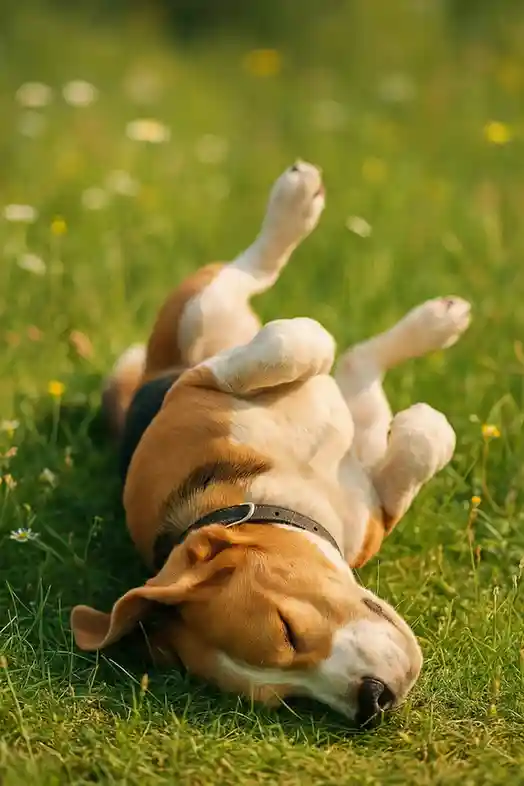
When your dog finds something that stinks and rolls in it at once, it is not being dumb he/she is having a full experience of the senses. To thee that odour is tasting sweet. To your dog it is a concert of smells that arouses each sense in their nose.
Joy Of Scent
Dogs sense the world with smell much more than the visual and sound senses. They have up to 300 million scent receptors in their noses and we only have 6 million. It implies that the smell of a rotting animal is not yucky to them, it’s interesting, complex, and full of details.
A Natural “Perfume”
What feels repulsive to you might actually feel refreshing or even exciting to your dog. Many dogs roll in strong odors to “wear” the scent, similar to how humans apply perfume.
Texture Adds To The Thrill
Rolling is not merely the smell, the feel is also involved. Dogs love the feel of hard grass or cool dirt or soft fur touching their bodies. The tactile interest of pressing and rubbing into a surface is satiated and brings a soothing or rewarding physical sense.
A Full-Body Experience
In the case of dogs, rolling in strong odors is a one-time experience, as it, in a way, engages their body, mind, and nose. It is a primal delight, a revisit to their bestiality, and one of the ways they relate to the outside world on the other side of the leash.
Check Also: Puppy Vaccination Schedule Checker
Environmental Exploration & Curiosity
Dogs are born explorers. Each stroll, each new aroma and each strange feeling on the ground is a narrative that ought to be discovered. Playing on corpses is not necessarily disgusting but rather curious.
Reading The Scents Of The World
To a dog, the world is written in smells. When your dog rolls on a dead animal, they’re not just reacting; they’re “reading” and experiencing the scent in full, gathering data about who or what has been there before.
Marking Their Own Presence
Some dogs upon rolling may scratch or rub the ground, or even urinate in the area. Dogs mark their own scent on the scene by combining both odors and what they have explored, to inform other animals about them having explored the area.
Read Also: Why Does My Cat Follow Me To The Bathroom
Instinct Meets Curiosity
This behavior also satisfies deep mental and emotional instincts. In the wild, curiosity allowed canines to live by challenging them to discover new locations, hunt and learn their environment. Although your dog is now living a safe domestic life, the same curiosity motivates them to explore the world even more.
Read Also: Why Do Dogs Lick Each Others Mouths
Why It’s Not Always A Problem
Weird as it may seem, being rolled about in strange smells is not the worst, it usually is just being a dog. It displays a good degree of inquisitiveness, intellect and awareness of senses.
Check Also: Dog Separation Anxiety Score
Boredom & Attention-Seeking Behavior
Dogs are emotional beings that require interaction and when they are not adequately entertained, they begin to seek their own form of entertainment the one that usually causes you to cringe.
When Dogs Seek A Reaction
Some dogs quickly learn that certain behaviors spark strong reactions. When your dog rolls in something nasty and you run over screaming, then it does not matter how angry or shocked you are, your attention is still a reward.
The Boredom Effect
Boredom may be equally strong an initiator. In cases where a dog has no play, physical exercise or activities to stimulate its mind, it seeks excitement. The smelling of strong scents is a stimulating activity to them, new to smell, feel, and experience.
How To Curb This Behavior
It is an easy remedy that must be regular. Walk your dog, provide him with interactive toys and games based on smell that will keep him curious. Praise calm behavior and redirect their energy before they find their own “fun.”
Check Also: Puppy Nipping/Biting Severity Test
Potential Risks Of Rolling In Dead Animals
Although this behaviour might be considered natural, it is not harmless. Riding an animal that is dead can put both your dog and you at great health risk. What started out as an act of bravura can soon become an infectious one, a breed of parasites, or poison.
Bacterial Infections
Other dangerous bacteria such as Salmonella, E. coli, and Clostridium have good breeding sites in dead animals. These pathogens may attach to the fur or get into tiny skin piercing when your dog rolls in a carcass.
Parasites & External Pests
Fleas, ticks, and mites are also present in carrases and are always eager to jump to a living body that is warm. These are parasites that can be used to transmit some horrific diseases like the Lyme disease, Rocky Mountain spotted fever and tapeworms.
Exposure To Toxins Or Poisons
Carcases are not all natural deaths. Animals are also killed by pesticides, rodenticides, or other chemicals. In the case of rolling on a poisoned animal, the toxins can be absorbed by the skin or they are absorbed later when grooming.
Skin Irritation & Allergic Reactions
Tearing tissue and bacteria can also give your dog a sore skin. The results of the roll may include redness, rashes, or strange smell, which are not resolved after taking a bath. Other dogs are allergic to rotting organic material and so become itchy, sore, or hotspots requiring treatment.
Zoonotic Disease Transmission
Zoonotic diseases refer to those that can be transmitted between animals and man. Decomposing matter can expose your household to bacteria such as Leptospira or Campylobacter which may result in fever, vomiting, and infection, particularly in children or weakened immune system.
Check Also: Poison Control Triage Quiz
How To Prevent Or Reduce This Behavior
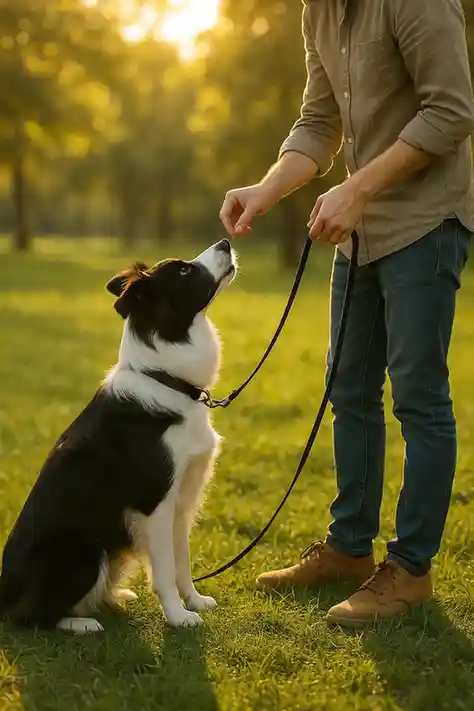
Instinct can not be erased, only directed. Dogs roll on dead animals, as it fulfills something primordial in them. Nevertheless, you can shape your dog to make better decisions with the correct combination of management, training, and interest without taking away the liberty to explore.
Keep Walks Controlled
You should place your dog on a shorter leash when walking in the wildlife areas or areas with strong smells outdoors. This allows you to have greater control and redirect their attention before they discover something foul. Do not allow them to roam freely in fields, forests, or on water around carcasses.
Train “Leave It” Early
Teaching your dog to respond when asked to Leave it or Come is one of the most effective ways of avoiding this habit. Start training somewhere where there is no noise and reinforcement or toys. Train slowly in open fields with distractions to be automatic when you are most in need of the command.
Redirect With Rewards
Whenever your dog takes interests into something dubious, call their names immediately and reward them to listen. Positive reinforcement develops consistency and teaches them that disdain of gross smells results in improved performance.
Maintain Regular Grooming
Despite the prevention, accidents occur. Have your dog bathed on a regular basis using mild shampoos that are safe to dogs. Frequent washing eliminates odors that remain and also discourages the urge of seeking better smells elsewhere.
Supervise & Set Boundaries
In case your dog is likely to run, then they can be trained on an off-leash with an enclosed area or a controlled playground. It is not to limit them but to provide freedom with boundaries that are safe.
Be Consistent & Patient
Behavior change takes time. Be calm and steady rather than punitive. Screaming or telling them off after they roll will only leave them confused and will not relate your anger to what they did previously. Rather, invest in prevention and redirection.
Check Also: Pet Sitter Instructions Template Builder
When You Should Be Concerned
Strange smells rolling are usually normal, but at times, it is a sign that there is something more going on. This is when you need to pay attention.
Obsessive Rolling
When your dog rolls a lot, or is unable to cease, even in the absence of anything smelly, it may indicate anxiety, or compulsive behavior. A canine or vet behaviorist can aid in the discovery of the cause when instinct becomes obsession.
Skin Irritation
Never leave your dog alone after rolling in something nasty. It may be irritation, allergy, or parasites bites. Fur may harbor fleas, ticks or mites that may leave behind unbearable discomfort unless treated.
Sudden Behavior Change
When a dog suddenly begins rolling more or behaving in an unusual manner when it is near some areas it may be responding to stress or illness. Interest, mood or activity changes usually indicate something physical or emotional that has to be checked.
Signs Of Illness
Vomiting, drooling, diarrhea, or feeling tired after rolling in dead animals could be due to the possibility of exposure to toxins or bacteria. These are symptoms which are treatable by rushing to vet to prevent infection or poisoning.
Hard To Control
In case there is no balance of training or redirection, and your dog tries all stinking odours it can find, then help might be sought. A trainer or vet can teach how to handle scent-driven behaviors safely.
Check Also: House Training Progress Tracker
FAQs:
Can it make dogs sick?
Yes. Dead animals may be bacteria, parasites and toxins, and they may infect or cause disease to your dog.
How can I stop it?
Give commands like drop it, place it on a leash, and entertain dog with toys or training.
Should I visit a vet?
Only when your dog shows such signs like vomiting, diarrhea, or fatigue after rolling in something dead or dirty.
Why some dogs do this?
There are dogs with higher prey instincts or who are more interested in strong odors, thus more apt to roll.
Final Words:
It is not the bad behavior when you see your dog rolling on dead animals; it is merely an expression of its old instincts. This custom links them with their wild past, and reminds us that behind every wigging tail, there is the ghost of a natural hunter and traveler. Your dog does not mean to resist you, they are just obeying centuries of instincts written into the DNA. As a dog owner, it is your duty to learn, mentor and guard that instinct.
Regular training, checkups, and safe boundaries can ensure your dog stays healthy during outdoor games. It is not about silencing them, but a way to make sure that they can lead their instincts in a human world.
5 thoughts on “Why Do Dogs Roll On Dead Animals”