
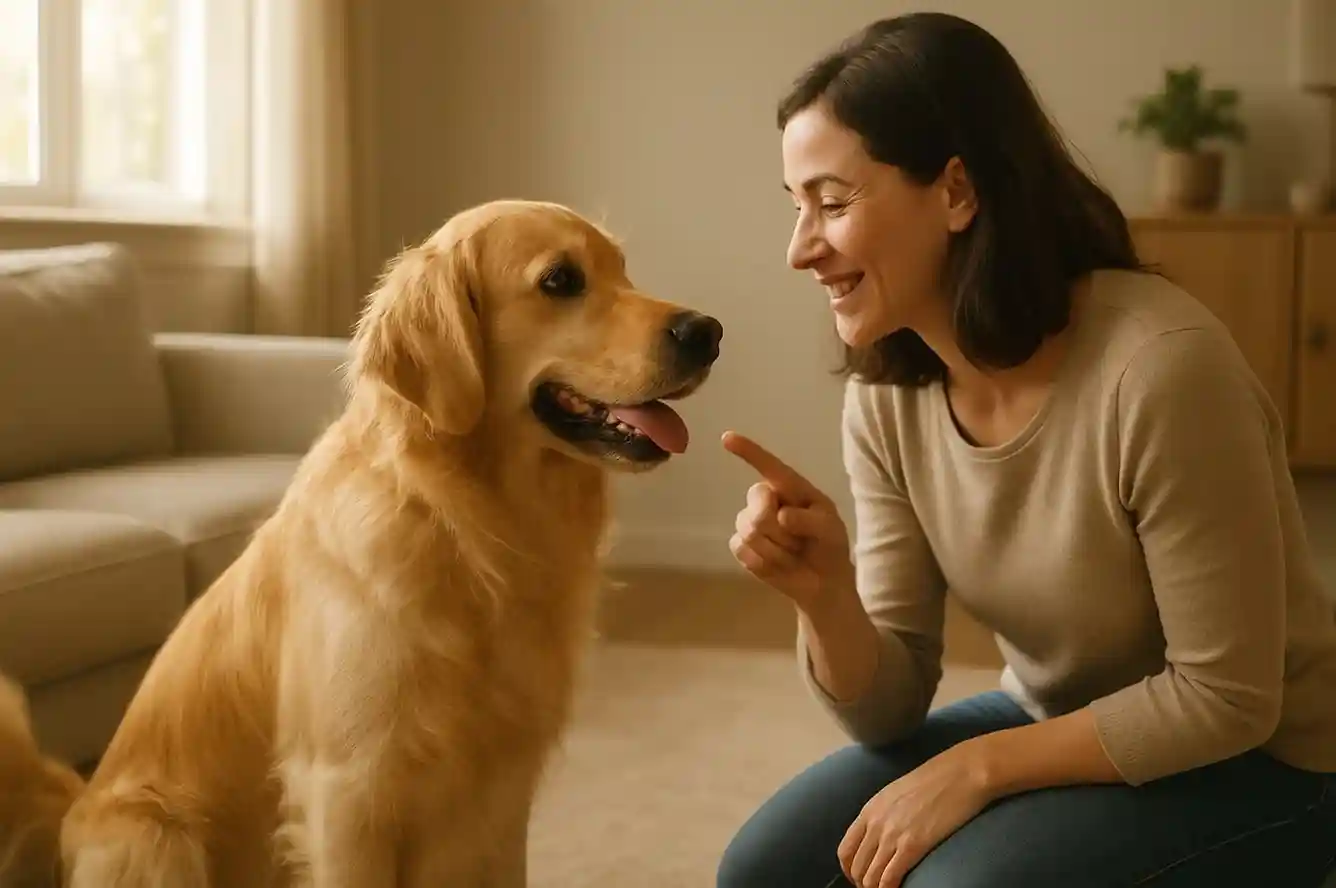
Do dogs actually know their own names?
Most of us have seen it, that instant when you call your dog’s name and they lift their head, tail wagging, eyes bright with recognition. It is an emotional star, an indication that your dog associates the word with you, your concentration and the warmth on which it builds. Science demonstrates that dogs may identify certain words, tones, and even emotional intent of words.
My name is Dr. Elara Vance, an American behavior scholar and lifetime dog lover. I have been researching the way dogs interpret language, emotion and social signals over the years. My work is a combination of science and real life experience, as I show people how smart and emotionally sensitive our dogs really are.
In this blog, I’ll help you understand how dogs learn their names, what happens in their brains when you call them, and how you can strengthen that bond through communication, emotion, and trust.
How Dogs Understand Us
Dogs are not able to speak our language, but they have perfected something still stronger; to read us in sound, in tone, in feeling. You are not addressing a dog and they are not reasoning the way humans do.
Sound & Association
Dogs acquire language by association and repetition. The latter begin to associate the two when you match a word or a sound with an action or a result. Over time, that link becomes unshakable. If every “sit” is followed by a reward, they’ll respond instantly.
Emotion Over Words
Dogs are emotional listeners before anything else. They pick up on your tone long before they understand your intention. Whisper their name and they will be relaxed. Shout it and they will feel tension though they may not entirely understand.
The Power Of Your Voice
Your voice is your dog’s anchor in a world full of unpredictable sounds. It’s their signal of safety, affection, and guidance. The tone you use every day becomes familiar, like music that reminds them of home.
Which Dog Breed is Right for My Lifestyle? Quiz
The Science Behind Name Recognition
Dogs don’t just react to familiar sounds, they actually process them. When you call the name of your dog something occurs in their brain that goes way beyond conditioning. It is symbolic of appreciation and perception, both biological and emotional.
What Happens In The Brain
Scientific studies using MRI and EEG scans have proven that a dog’s brain becomes more active when it hears its own name. In other words, when you call your dog’s name, their brain literally lights up with recognition, it’s their version of thinking, “That’s me!”
Learning Through Emotion
Dogs do not reason as human beings do; they reason in feelings. Use the name of your dog with love or excitement and it will get stored in the emotional memory. They associate their name with the idea of security, compliments, and joy.
The ability to comprehend the dog thinking style can be used to explain most of their behaviors including the bizarre ones. As an instance, have you ever wondered why dogs roll on dead animals? It is even established in strong natural instincts.
Repetition Builds Recognition
Dogs, just like in case of a new language, use repetition to make associations. Whenever you call your dog by name, and then feed him or play or praise him, you make him think that this sound is followed by some good.
Check Also: Pet Health Symptom Checker
How Dogs Learn Their Names
Understanding how dogs learn their names is like opening the door to the first true conversation between you and them. Dogs don’t process language the way humans do, they don’t “know” words, they feel them.
Association Comes First
When you say your dog’s name and follow it with something good, a treat, a gentle pat, or a cheerful tone, their brain instantly starts connecting the sound to that positive feeling. This is how association begins.
Tone Matters More Than Words
The words which you say are not heard by dogs as much as the music of your voice. A name spoken with warmth and energy lights up their attention instantly. But if the tone turns harsh or impatient, they might freeze or even ignore it.
Context Teaches Meaning
Dogs are observant little detectives. They learn faster when their names appear during familiar moments like meals, walks, or play. Consistency helps them understand that their name means “focus on me.”
Avoid Common Training Mistakes
One of the most common mistakes I see owners make is using their dog’s name as a form of correction. It can be a frustration to say no Max too many times and now your dog will think of his name as negative. To keep their name powerful, say it with purpose.
Emotion Strengthens Memory
Treats or repetition alone are not the issue, but the bond between you and your dog. And they never forget when you call their name with the tone of love and constancy in your voice.
Check Also: Pet Name Generator by Personality
Signs Your Dog Knows Their Name

Every dog owner knows that one time and you call their name and they immediately raise their head and ears up and tail waving like it is the happiest sound in the world. Knowing the finer aspects of recognition demonstrates how your dog interprets sound, emotion, and attention simultaneously.
Physical Reactions
The reaction of the body is one of the initial indicators that your dog knows you by name. Their head will turn when you next call, or even their ears will twitch, though they are half-awakened. This is not through mere coincidence but through awareness.
Read Also: Why Do Dogs Lick Each Others Ears
Emotional Responses
Named dogs tend to use body language and excitement in their expression. As you call them and their tail begins wagging or they run over with excitement it becomes evident that they tie that sound with good things.
Context & Consistency
Name recognition is more than just quiet rooms. Even in a busy area, in the park, during a walk, or when other people are talking, a trained dog will respond to its name. It is because they are trained to block the background noise, and pick the most significant one: yours.
Testing Recognition
This can be readily experimented at home. Call the name of your dog once when you are sure he is distracted, either by sniffing or by lying down. Keep down, do not repeat or shout. When they stop, or stare at you, or even turn towards you, you are sure.
Check Also: Pet Human Age Converter
When Dogs Ignore Their Names
You say the name of your dog, and nothing. No wag of the tail, no twitch of the ear, no look. Just that blank “I’m busy” stare. But never mind yourself, it does not necessarily imply that your dog does not know his name. In many cases, it is not memory, but context, emotion, or confusion.
Too Much Repetition
When a name is used constantly, without purpose, dogs stop paying attention. It becomes “white noise.” When you say to him ten times a day, Milo, Milo, Milo, with no evident cause, he will at last sieve out. Apply when it is needed, not just filler.
Negative Associations
When they are frequently followed by a lecture, Bella, stop! or Rocky, no! they might think of tension rather than love. A dog will automatically shun a word that portends pain. Reestablish a relationship by matching their name with compliment, fun and relaxed power.
Hearing Or Health Issues
It is not always about training, sometimes it is physical. The elderly dogs or some breeds that have ear sensitivities may not be able to hear effectively. In case your dog no longer answers, always good idea to go to a vet and get a checkup.
Competing Distractions
Dogs exist in a scented, motional and noisome world. Your voice is just drowned in the clatter when they notice something bigger and more interesting such as a squirrel, a toy, or another dog. The initial thing is to train in relaxed environments, which can increase concentration.
Weak Early Training
Unless a dog had its name reinforced correctly as a puppy, that could not mean a lot to the dog. Dogs do not naturally see that it is me. It is an acquired association, and the good news. An old dog can never be taught new tricks.
Check Also: Pet Medication Reminder/Tracker
Strengthen Your Dog’s Name Response
You can teach your dog to respond when called by name not only so that he or she can listen to you but also to know him or her better. When a dog answers you quickly and happily with the name it is listening to you, not to the name.
Start Simple
Begin somewhere quiet and calm. Sit beside your dog call his name one time and wait until they look at you. When they do, do not fail to reward them with a treat, compliment, or love. This is a mere thing that will make your dog associate their name with good things.
Practice Consistently
Learning becomes instinct because of the repetition. Train a few times per day but make the sessions short about five to ten minutes. Call them by name before good activities such as meals, walks, and playtime.
Add Distractions
Once the dog is taught to answer the name in a noisy area, it is time to test it in a real situation. Try to say their name in the yard, whilst walking or with background noise of light. In case they react in time, compliment them, show love or give them something small.
Keep It Positive
The name of your dog must not look like trouble. It should not be used when one is angry or reprimanding since this can confuse or even frighten. Rather, it should be positive, soft or funny.
Stay Patient
Name recognition is time-consuming as any good habit. There are dogs which plunge and others which require time. Be patient and stay positive. Your dog is able to pick the difference in your voice and your tone, thus maintain a cool and encouraging energy.
Check Also: Which Toy/Activity Will Tire My Dog Out? Matcher
Dogs Recognizing Other Dogs’ Names
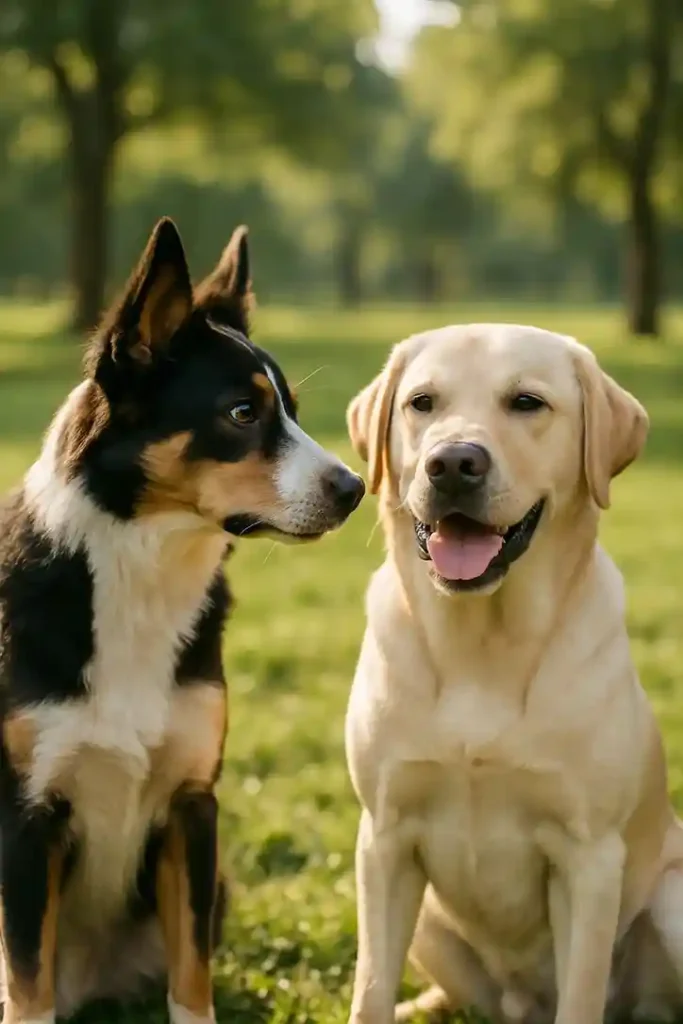
Dogs are good listeners, even better than we may actually credit them. Some will even be able to name the other dogs, particularly those they have regular contact with. They do not know names in the human meaning, but have been taught to relate some sounds with some dogs.
Sharp Ears & Quick Minds
Dogs are great listeners, and more observant than most of us think. Some of them can even know the names of other dogs, particularly the ones they are home with or play with. It’s not that they understand the concept of “names” like humans do, but they learn through repetition, tone, and association.
The Power Of Observation
Dogs are inherent pattern hunters. They observe your body language, what you say and who you are talking to when a particular name is called. Through repetition, their brains store that pattern: this sound always brings that dog’s movement or your focus.
Everyday Proof In Action
You can easily see this in daily routines. Dogs are context sensitive and therefore learn very fast which sound or name leads to a certain event. They eventually react to the meaning they have constructed around it more than the sound itself.
Understanding Through Connection
So yes, many dogs truly recognize other dogs’ names. It is not words, it is sight. They listen, they read between the lines, they are aware who is addressing them. When a dog lifts up his ears when called by name, it is not curiosity, but when he does so, it is recognition.
Check Also: Senior Pet Quality of Life (QoL) Score
The Emotional Meaning Behind Names
The name of a dog is not a sound, but a feeling in a word. You are not asking the dog to listen when you call the dog by name; you are giving feelings through inflections, animation and recognition. Dogs do not know words, as men do, but they can know well enough what you mean by their name.
Emotional Recognition
Dogs do not just read sound, but they read tone. Your sweet voice soothes them at once, and the rough one drives them away. That is why tone consistency is all. They react favorably and with trust when their name is called kindly by your dog.
The Bond Between You
With time the name of the dog incorporates into your relationship. It’s how they connect your voice with safety and affection. Every time you use it with care, you reinforce that emotional link. That’s why the simplest call, “Come here, Max” can carry more love than a paragraph of words.
Keep It Positive
It is easy to fall into the habit of scolding them by their name but dogs do not forget the emotion behind it. Make their name good, relaxed and welcoming. In such a way, they will always relate it to warmth, not worry.
Check Also: Puppy Proofing Safety Checklist Tool
FAQs:
How fast do dogs learn names?
Typically in days or weeks, and on a regular basis, and with rewards.
Why won’t my dog respond?
They may be distracted, uncertain or identify their name with reprimand. Rebuild it positively.
Can older dogs learn new names?
Yes. Repetition and praise can make dogs learn new names regardless of their age.
Is it okay to use nicknames?
Yes, but call them their first name frequently to keep it simple and common.
Final Words:
You are not saying a word when you give the name of your dog, you are talking to their heart. Your love, attention, and history are all there in that one sound. Dogs may not know language as we do, but they know emotion more than anyone ever would. The sound of your voice is their safety. Your tone is their comfort. And by their name, that is what they mean to you. It is a voice they have faith in, the voice of home, love, and belonging.
So each time you get their name say it deliberately. Say it with care. Since it is not just a name, but it is the call of their favorite person in the world calling them home, to your dog.
4 thoughts on “Do Dogs Know Their Names”