
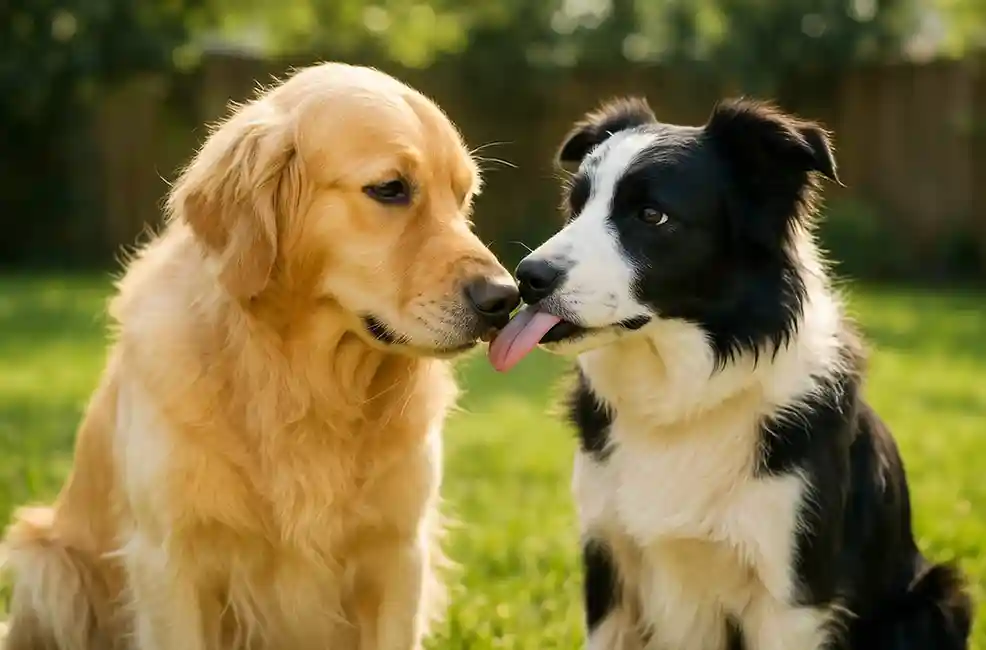
Why do dogs lick the mouths of each other so much?
What to you might be an odd or disheveled practice is a most significant expression in the dog world. Mouth-licking is not accidental but the way dogs express their trust, respect and peace. It is their non-verbal communication, their way to show love, obedience, and comfort. It is not about hygiene or curiosity to them, but rather connection, comfort and preservation of harmony in their social circle.
My name is Dr. Elara Vance, a U.S. veterinarian who has taken years to learn about canine behavior and body language. I have observed this gentle action in houses, parks and shelters and each time round it tells a different story. Dogs are expressive, and licking is one of the most telling ways of expressing their emotions.
In this blog, I will show you what your dog is actually saying with this behavior and how to interpret the messages properly and when you may need to intervene.
What Mouth-Licking Really Means
Dogs do not talk, however, their bodies do and one of the most observable signals is the mouth-licking. This is not just an act, but a well thought-out move that speaks volumes of how one dog thinks of another.
Showing Respect
Once a dog licks the mouth of the other, it may be doing so out of respect or recognition. You’ll see this in puppies licking adult dogs or in one dog greeting a more confident companion. It’s their way of saying, “I recognize you’re higher up in the pack.”
Building Trust
Trust is also built and preserved by licking. Dogs require touch as we do so through hugs or handshakes. A lick round the mouth is a friendly thing to say. I trust you.” You’ll often notice both dogs relaxed, tails wagging loosely, and standing close without tension.
Calming & Reassuring
In some cases, mouth-licking is the manner in which a dog maintains peace. A lick, which is a quick move, when one of the dogs is nervous or feels tension, can be a calming effect; “Let’s be cool.” It often happens during greetings or after play gets too rough. The gesture helps reduce stress and brings the mood back down.
Reading The Full Picture
One lick is not enough to narrate the story. You must look at all the other tail, eyes, ears and posture. When the body of the dog is loose and moves slowly, the licking is a friendly one. However, when the dog appears rigid, sits back or does not look at you, then it is more of submission or fear.
Pet Safe/Toxic Food Lookup
Friendly Vs. Anxious Licking
All licks do not have the same meaning. Other dogs lick people out of affection and comfort, whereas others do it as they are nervous or unsure. Training to distinguish will allow you to know what your dog is actually attempting to communicate to you and when it may require some reassurance by you.
Read Also: Why Does My Cat Follow Me To The Bathroom
Friendly Licks
Positive situations in which friends lick each other are generally relaxed. You will frequently find it when dogs meet each other, or conclude playing, or rest together. They have soft eyes, loose bodies, and slow movements. It is their way of saying, we are good.
Read Also: Why Does My Cat Sleep by My Head
Anxious Licks
Anxious licking looks different. It is quicker, more monotonous and is accompanied by a lowered head, curled tail or pulled-back ears. A dog may do so when it feels insecure, threatened or oppressed. At times, a young or submissive dog may lick the mouth of an older dog to signify respect and not to start off.
Reading The Difference
The body language is the key to knowing what type you are viewing. When the licking is short, soothing and carefree, it is pleasant. It is anxious when it is tense or enduring or combined with signs of stress.
Check Also: Pet-Friendly Plant Safety Checker
Dog Breed Personalities & Licking Habits
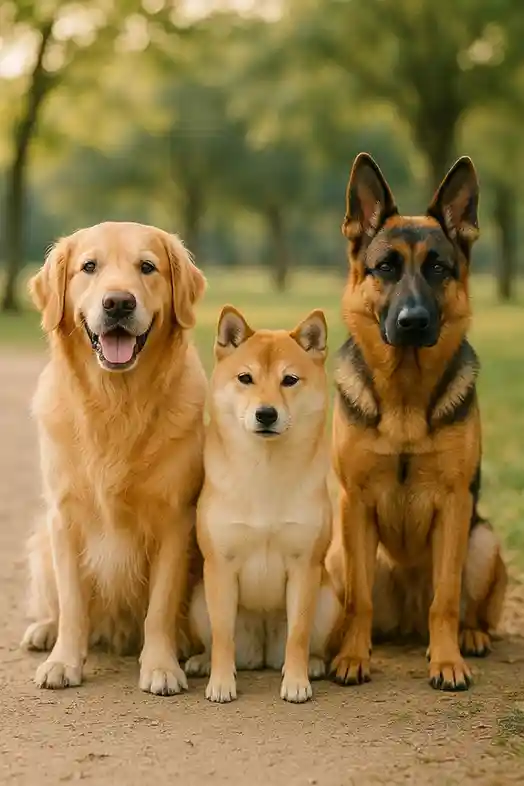
All dogs do not lick in the same way. Similar to how individuals express affection in various ways, breeds have social styles. Some dogs are naturally more touchy and expressive, while others prefer quiet companionship.
Social Breeds
The Golden Retrievers, Labrador Retriever and Beagles are claimed to be outgoing and loving. This makes them lick more since they are programmed to be close to other people. Licking to them is merely another form of saying, I like you, and we are cool.
Independent Breeds
Some other breeds such as Shiba Inus, Basenjis and the Afghan Hounds are shy. They do not love them and that is why they are not always licked, but they are different. Such dogs may also express their affections by sitting near you, sitting on you, or following you in the rooms.
Working & Herding Dogs
Such breeds as Border Collies, Australian Shepherds, and German Shepherds have a tendency to lick as a form of teamwork. They are pack-thinkers, hence the licking keeps the groups in balance and in collaboration. It is their way of telling, We are a team, keep it peaceful.
Individual Differences
Every dog is different even of the same breed. It is not genetics alone but personality, upbringing and experience. You may encounter a quiet Lab or an overly loving Husky; since, at the bottom of the day, every dog has its own emotional language.
Check Also: Breed Temperament Matcher
Early Social Lessons In Licking
When a dog licks another dog in the mouth, it does not happen but begins in its puppyhood and is built during the initial social interactions. The interactions that a dog has during the initial years form its lifetime communication skills.
Read Also: Why Does My Cat Headbutt Me
Learning From The Mother
From birth, puppies lick and nuzzle their mother’s face to seek comfort and attention. In wild canines, it’s also how pups encouraged mom to regurgitate food. That instinct remains, even in domesticated dogs, turning into a natural way to show affection and trust.
Copying Other Dogs
Puppies watch and imitate. When they see older dogs greeting each other with gentle mouth-licks, they pick up the behavior. It becomes their way of saying “I’m friendly” or “You’re safe.” This early mimicry helps them understand social boundaries and cues.
Building Confidence
Gently socialized dogs become confident communicators in their first few months. Good experiences with relaxed, forgiving adult dogs teach them that licking can be an act of peace to unite, rather than to request or to conciliate.
Check Also: Senior Pet Quality of Life (QoL) Score
How Dogs Use Licking To Promote Peace
Dogs live by one golden rule, avoid conflict whenever possible. Licking, especially around the mouth, is one of their calmest and most respectful ways to say, “I come in peace.” This behavior keeps tension low and strengthens social bonds within a pack or between companions at home.
Calming Signal
When a dog licks another in the mouth, it is usually a calming gesture a friendly type of saying, I am not a danger. You will find this a lot in greetings or even in a tense situation. The dog which is licking may tilt its head, turn its face or even wag its tail gently.
Avoiding Conflict
In multi-dog homes, licking can act like a truce. A younger or more submissive dog may lick the older one to keep things friendly. The more dominant dog typically accepts this gesture, maintaining harmony in the household. It’s nature’s peace treaty nonverbal but highly effective.
Strengthening Bonds
Beyond diffusing tension, mouth-licking also reinforces emotional connection. It’s a bit like a hug for dogs a way to release stress and boost the sense of belonging.
Check Also: Dog Walk Length/Time Calculator
Mouth-Licking Between Dogs & Humans
Dogs don’t just reserve mouth-licking for their canine friends; they often try the same behavior with you. And while it might feel a bit too personal, it’s actually one of the most sincere forms of affection a dog can show.
Why Dogs Lick Your Mouth Or Face
When your dog licks your mouth it is the same thing that it will do to another dog, which is to show its affection, respect and social connection. You are a member of their pack to them. This is the way a dog meets someone they trust and love.
What It Means Emotionally
Being licked by your dog indicates emotional security. It is a habit indicating that they are at ease, comfortable and attached to you. It is a sign of joy, excitement, and loyalty all in one when your dog receives you with a few fast licks.
Should You Allow It?
Medically, it is not the best practice to have your dog lick your mouth; the salivary of dogs is home to bacteria which may either upset your stomach or cause minor infections. Rather than reprimanding your dog because it loves you, redirect it instead.
Building Healthy Affection
The same love can be preserved through creating good habits. When your dog calms down, sits and wags its tail or nudges your hand, reward it and not your face.
Check Also: Pet Medication Reminder/Tracker
When To Stop The Behavior
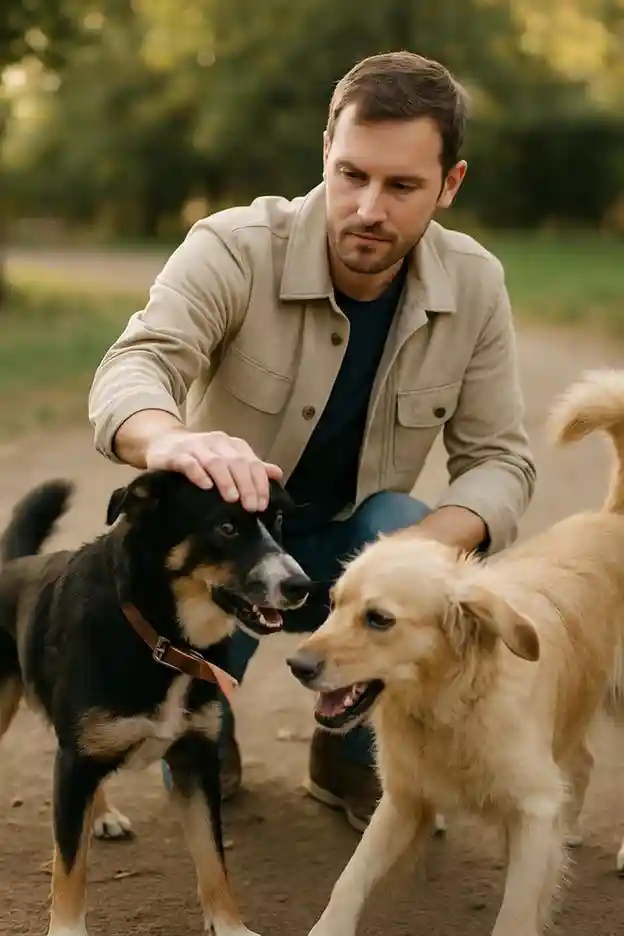
Although mouth-licking can be very normal among dogs, sometimes it can be too much or unhealthy. It is your task to realize when this kind act becomes overboard. Licking must never be compulsory and regular; rather, it must be mutual, easy.
When Licking Becomes Too Much
Sparadic licking is normal, however, when it becomes compulsive there is usually something deeper at stake. A dog that will be licking constantly can be anxious, bored or energized. This monotony is their way of coping up with it; as a human tapping his feet or biting his nails.
Signs Of Discomfort Or Stress
Watch both dogs closely. Licked dog might begin to turn away, retreat, or display less pronounced signals such as stiff posture, lip curl, or low growl. Conversely, the dog that is licking may over pant, lick the air or seem to be agitated even when the other dog is walking away.
Underlying Health Issues
Occasionally, over mouth-licking is not a behavioral issue, but a scent issue. Dogs have strong noses and when one continues to lick the mouth of the other it may be in reaction to something medical. This can be triggered by dental issues, bad breath, nausea or an oral infection.
How To Respond Calmly
You can always remain calm when it is time to intervene. Shouting, or reprimanding, does not help, and only increases the licking. Rather, calmly turn away your dog with a chew toy, a stroll or short play. Reward them when they cease or change their focus.
When Professional Help Is Needed
When redirection, more exercise, and enrichment have not helped, consult your vet or a qualified behaviorist. They are able to determine whether it is based on anxiety, medical or a learned habit.
Check Also: Pet BMI/Ideal Weight Calculator
How To Encourage Healthy Interactions
The interaction behavior between dogs should be balanced, friendly, relaxed and mutual. When one dog keeps licking and the other pulling away or tightening, something is wrong. You, as a dog owner, need to facilitate these interactions to remain positive and natural.
Socialize Early
The faster your dog will learn the social cues the more you expose him to well behaved dogs. Your dog knows what is good, when to stop, and how to express your affection but not over-enthusiastic attending socialization classes or looking at puppies.
Reward Calm Behavior
To alter the behavior of your dog, one can employ rewards. That calm should be repeated with praise or treats when two dogs meet without tension, or two dogs are playing. Dogs recall what makes them positive and thus the behavior will repeat itself.
Step In When Needed
In some cases; a dog can lick too often or too aggressively. Should the other dog appear ill at ease; withdrawn, rigid or with whites of the eye it is your time to intervene. A quieted come here or light distraction would aid in interrupting the cycle before it turns into stress.
Encourage Shared Activities
Good relationships develop on fun. Taking walks together, playing fetch or training commands together allow dogs to bond without necessarily having to communicate by licking. Common activities enable them to establish more balanced relationships.
Keep Health In Check
A dog will lick the mouth of another when it notices something wrong; bad breath or dental disease. Regular visits to the vet and the dentist will help your dog feel better and will not cause him to respond to pain or anything wrong in the other pet.
Build Trust Through Routine
Dogs love routine. Play, walking, and feeding schedules establish trust and anxiety reduction. As soon as both the dogs feel safe in their surroundings, their social behavior such as licking; become more balanced and natural.
Check Also: Pet Lifespan Predictor
FAQs:
Why do dogs lick mouths?
It is the way the dogs are respectful, loving, and keep the social order in the group.
Should I stop the licking?
It is only by being constant, stressful, or not preferred by the other dog.
Can licking spread germs?
Yes, particularly when one dog has dental or mouth problems; routine vet care prevents this.
Do all dogs lick equally?
No, certain breeds and personalities are more likely than others to lick.
Final Words:
Mouth-licking can appear strange in the beginning, yet, it is among the most significant gestures in the emotional realm of a dog. It is their little peacekeeping, respecting, and trust-making with people surrounding them. Dogs use it to solidify relationships, relieve tension and to express their belonging to the pack; it is pure communication. When you start listening to these little hints, you will learn more about your dog.
Every lick, gaze, waggon is included in their story; a language of fidelity and slavery. This behavior is the same behavior that will enable you to direct more healthy interactions and increase your attachment with your furry friend.
4 thoughts on “Why Do Dogs Lick Each Others Mouths”