
Why does my cat drool when being petted?
Cats are silent and precise in their movements but as soon as their composure turns to gentle drool the second you put your hands on them you get a glimpse of them that most people do not get to see. It takes a lot of coaxing before a cat drops its guard and that kind of trust is built with soft hands, secure moments and by the sort of bond that is built in silence.
My name is Dr. Elara Vance, a U.S. animal behaviorist and veterinarian who has been researching cat feelings and the underlying levels of cat-human relationships. I have seen nervous cats become calm with one touch and I have also seen how body responses such as drooling; can tell you precisely what a cat is thinking.
In this blog, I will tell you all the details of what actually drops during petting, what the most touching emotional feelings are, and what medical symptoms are under the carpet.
Connection Between Relaxation & Drooling
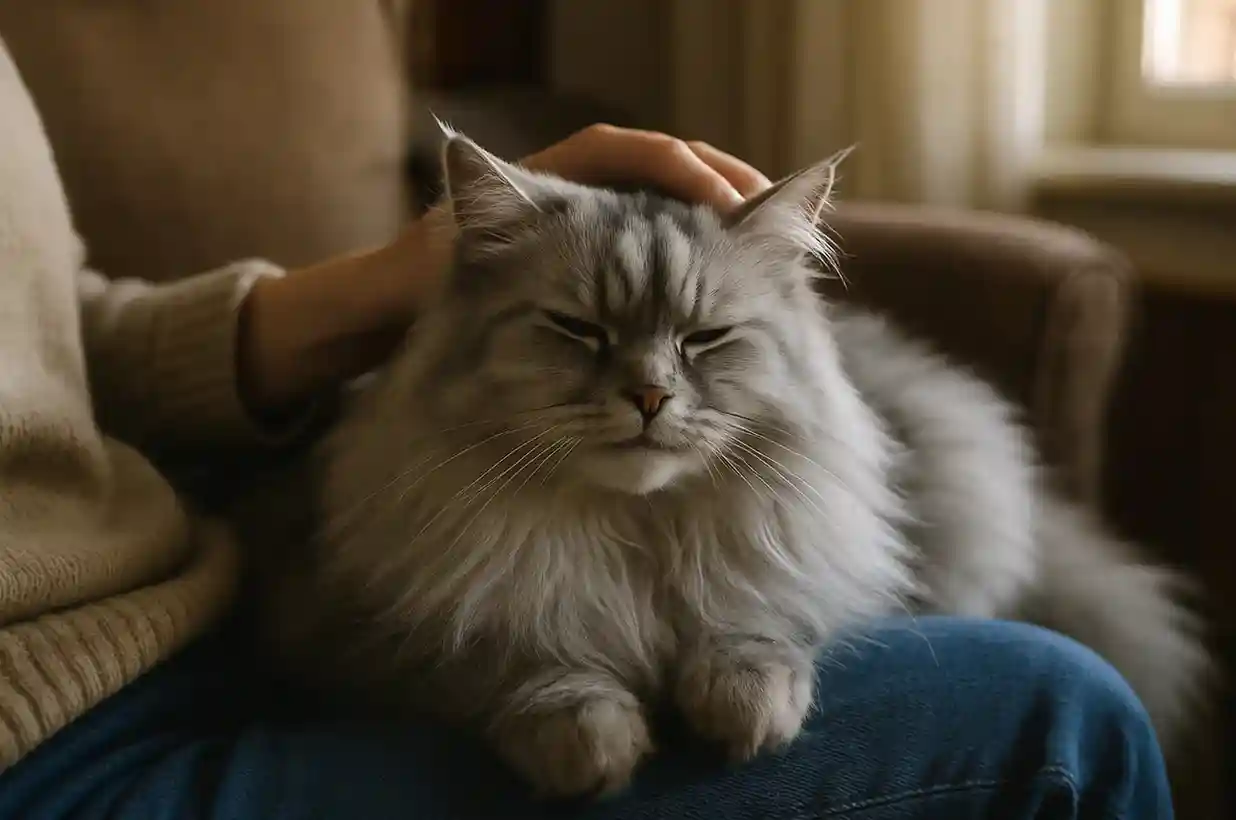
When your cat is liquefied by your hands, their body becomes instinctive and relaxed. This profound relaxation would relax muscles, slow breathing, and enable little blobs of saliva to run out as a natural, harmless reaction to comfort.
How Calmness Softens The Body
When your cat is fastened to your presence, his entire body is relaxed. The jaw muscles relax, their tongue falls heavy and saliva glands fill on their own. This physical softness creates the perfect moment for drool to escape in tiny, gentle drops of tranquility.
Purring Deepens The Reflex
Purring activates the parasympathetic system of your cat bringing it even nearer to the rest mode. Throat vibrates, jaw jerks, and swallowing becomes slow. This inner stillness lets saliva pool more easily, making drooling a natural companion to their soft, rumbling joy.
Trust Fuels This Response
A cat won’t drool from relaxation unless they trust you deeply. Your scent, touch, and presence lower their guard so completely that instinctive defenses fade. Their drool becomes a physical sign that they feel protected enough to sink into complete emotional ease.
Slow Petting Enhances The Effect
Slow, soft strokes of the head and spine increase the state of calm, as it regulates their breathing and calms their emotions. This consistent beat welcomes their body to relax further and more saliva accumulates and drool drips out in a calm, unrushed fashion.
Check Also: Pet Lifespan Predictor
Drooling As A Sign Of Affection & Bonding
Other cats show affection in subtle, unobtrusive forms, and one of their most subtle gestures is drooling when petting them. The reaction is usually a sign of trust, comfort and emotional intimacy which can only develop when your cat is fully sure that they are safe with you.
Memory Of Early Comfort
Cats occasionally drool as petting arouses memories of their infancy when nursing provided a feeling of warmth and security. The feeling may resurrect in adulthood whereby their body secretes saliva when they relax in the same underlying, unconscious comfort they had with their mother.
Trust That Fully Softens Them
When a cat is drooling on you, it has profound trust. Their muscles relax, their guard is lowered and their body behaves normally. This gentleness shows how much they connect your presence to safety, reassurance, and emotional grounding.
Calm Melt Response
Other cats release the saliva within their mouth after being petted to the point that their nervous system is fully relaxed and the jaw becomes slack. This melting point suggests a relaxedness they do not feel with everyone so the drooling is a special act of trust towards those closest to them.
Read Also: Why Does My Cat Bite Me When I Pet Her
Emotional Overflow
Some cats are tactilely affectionate when feelings become too intense to be suppressed. Drooling is a gentle spillage, indicating that they are overwhelmed in the most desirable manner. During such times, their physicality speaks of love much more than their actions could.
Pet Name Generator by Personality
Overstimulation During Petting
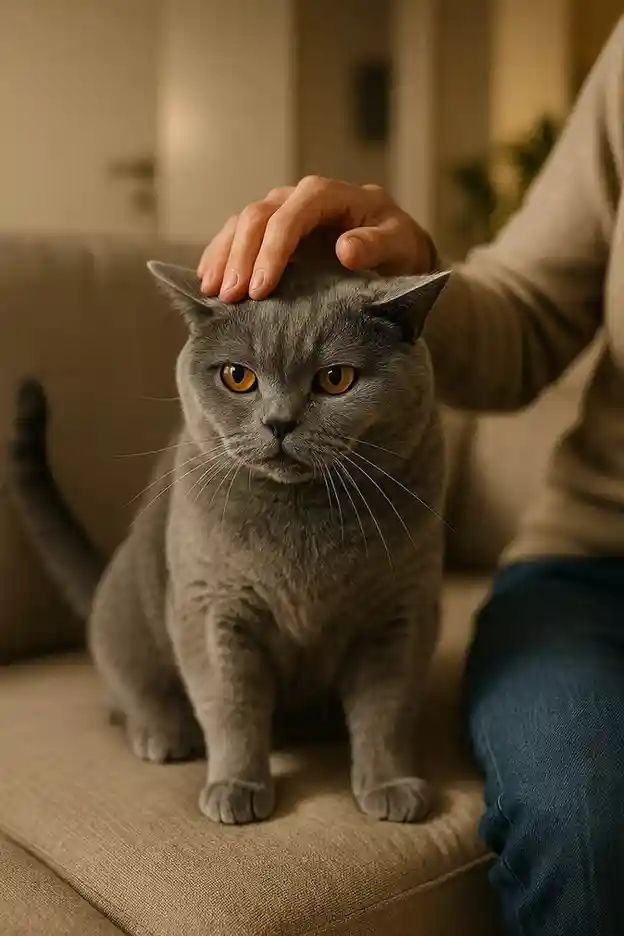
Overstimulation occurs when your cat is petting you until your nerves are overused, which causes one of them to shoot. Their body is stretched to calm to alert within a second, and the drooling is a result of the tension overload forcing the saliva to collect.
How The Body Responds
When overstimulated, the nervous system is coiled tight, muscles become contracted and saliva is secreted more as swallowing slows. One moment your cat will lean in and the next one will push away, revealing how their internal compliment levels can change suddenly.
Subtle Clues You’ll Notice
Within the body, once overstimulated, the body expresses it in tail flicks, twitching skin, head turns, or sudden termination of purring. These are the first indications that the nice time is changing into unpleasantness before the drool sets in.
Why It Happens During Petting
Your touch stimulates nerve cells everywhere and excessive sensory stimulation produces confusing messages to the brain. In a cacophony of signals your cat responds physically; it drools, its muscles are tight and it moves quickly giving a signal that their borders were crossed quietly.
Check Also: Pet-Friendly Plant Safety Checker
Dental Issues Behind Drooling
Drooling occurs in non-bonding situations in which I will first go to the mouth. It is difficult to make your cat swallow the food as dental pain causes saliva to leak through. Early awareness of these signs can ensure their healthy future.
Irritated Or Inflamed Gums
Your cat avoids swallowing whenever the gums are red, swollen or painful hence makes the saliva to build up. Gingivitis is very common and especially in adult or aged cat and the drooling will only worsen when eating or lightly touching the chin.
Painful Or Resorbing Teeth
The resorption deteriorates the internal tooth structure, resulting in deep pains causing additional drool. Cats conceal pain reasonably well, yet this disorder makes them find chewing tough, flinches abruptly, and puts saliva around the mouth when they are calm.
Oral Ulcers Or Mouth Sores
The ulcers in the mouth cause pain that is stinging each time your cat moves its tongue. When swallowing becomes painful, the saliva is collected and it escapes. You can also observe bad smell, licking lips or your cat refusing to eat even when he is hungry.
Broken Or Infected Teeth
Splintered or rotting tooth causes pain that is almost sharp and the jaw makes drooling nearly inevitable. These diseases are contagious and cause swollen face, nasty smell of breath and obvious sensitivity upon feeling their muzzle.
Check Also: Pet Dental Disease Risk Quiz
Nausea & Digestive Discomfort
Some cats drool simply because their stomach isn’t settled. Saliva accumulates rapidly when the digestive system is either irritated or overloaded. This kind of drooling may be abrupt, short-lived or may hang on until the distress is over.
Why Nausea Starts
Nausea is initiated by irritation of the stomach by food changes, hairballs, toxins, infections, or acid accumulation. The body responds by producing more saliva ready to clear whatever is causing pain.
Read Also: Why Does My Cat Cry At Night
Subtle Nausea Signs
The cats show nausea through swallowing repeatedly and licking lips quietly, hiding, moving slower or apparently losing interest in food. These signs normally go ahead of the increase in drooling. Your cat may appear agitated, touch-shy, or unsteady, trying to calm its troubled stomach.
Read Also: Why Does My Cat Lick Me Then Bite Me
Causes Behind It
The stomach can be irritated by hairballs, spoiled food, rapid eating, drug reactions, eating plants, and mild poisoning. Even stress may interfere with digestion. In case of irritation, there is a lot of saliva, as swallowing is painful and therefore drooling is noticeable during or after petting.
When Eating Hurts
Post-meal discomfort may occur when food is not being absorbed. This causes cats to swallow more, breath more, and produce more saliva. In case they begin to drool after eating, the problem can be indigestion, allergy to some food constituents, or early gastrointestinal inflammation.
Check Also: Pet Calorie Density Converter
Stress & Anxiety Triggers
Cats do not always drool out of comfort. Their nerves run through their bodies ahead of their behaviour sometimes, and the first physical sign they are not in the shape they should be is that they will drip with drool.
Sudden Environmental Changes
The stress reaction of your cat kicks into gear when it is confronted with the unexpected, unfamiliar faces, and even new schedules. The nervous system increases the secretion of saliva, and drooling is an automatic discharge.
Fear-Based Reactions
Fear triggers fast, instinctive body responses. When your cat encounters something threatening such as a loud crash, a new pet, or a new smell; the body tightens, and their mouth secretes too much water. Their emotions spiked unexpectedly that drool is a sign.
Separation Anxiety Signs
When cats are afraid of being alone, they drool. The worry becomes emotional, and the body reacts to it by pacing, speaking, and abrupt saliva bursts. This drooling normally occurs before or after you depart showing how much they rely on your presence.
Travel & Vet Stress
Anxiety grows fast with car rides, carriers, and vet visits. Movement, incarceration, and unfamiliar environment drive your cat out of the comfort zone. When their nervous system is overworked, they drool, and they develop a physical reaction to emotional stress in stressful situations.
Check Also: Is My Pet Stressed? Score
Heat & Dehydration Issues
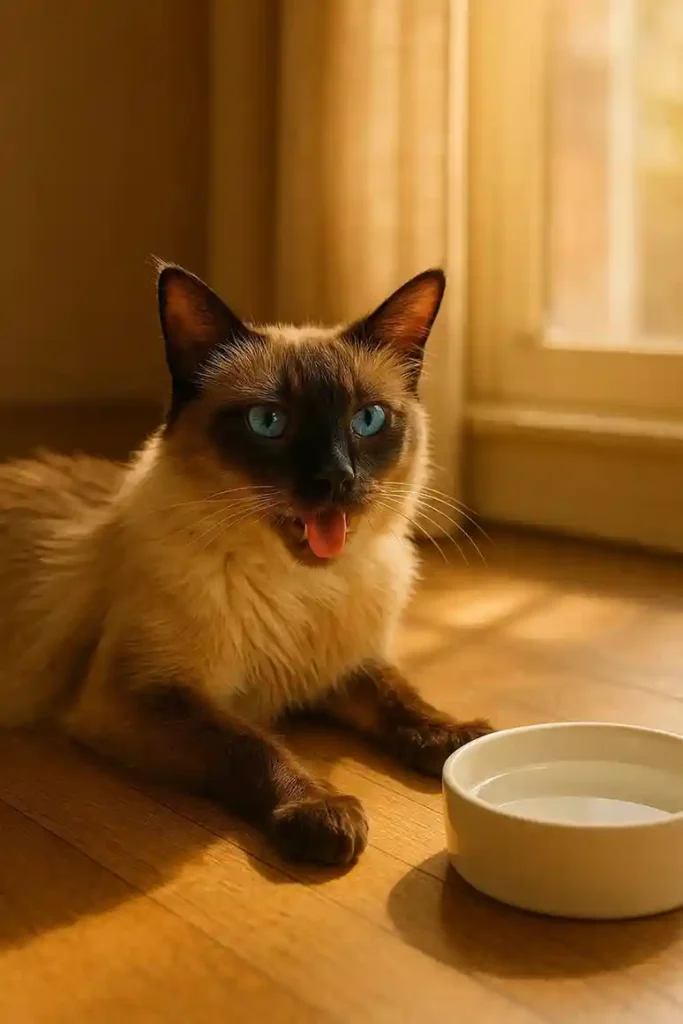
Their body is easily excited, so your cat is overheating or it is underfeeding and one of the first signs is drooling. This response can be understood to get your cat out of discomfort, stress, and even potentially harmful temperature-related concerns.
How Heat Affects Their Body
Once the cat becomes too hot, its internal temperature increases at a rate beyond control. Their body tries to cool by panting, higher secretions of saliva and decreased activity. This additional saliva usually spills out in drool, indicating that your cat is having heat problems.
Signs Of Overheating
The cats do not normally pant and when they do, it is a big red flag. It is always succeeded by red gums, impatience, elevated heartbeat and pacing. Your cat might desire to seek cooler ground, shun the sun or even look oddly fatigued because its flesh is beginning to heat up.
Dehydration Symptoms
An overheated cat is unproductive and uneasy and its saliva is thick. Drooling occurs due to difficulty in swallowing due to dry gums. You can see sunken eyes, sticky gums or less elastic skin or less good grooming habits all indicating poor hydration.
What You Should Do Fast
Wet them with cool water and take your cat into cool shady place. Make them moist with wet food and do not exercise much and keep them inside when it is hot. A veterinarian will have to be called in case of the aggravation of the symptoms or prolonged drooling.
Check Also: Pet Travel Checklist Builder
When Drooling Is A Warning
Although not all drooling is bad, there are times when your cat is telling you that there is more at stake. It is at this point that attention to detail is relevant, as by the time things are realized, it is usually too late.
Sudden Or Constant Drool
In cases of excessive or continuous drooling it can be due to a sign of pain or infection or inner irritability. A cat that never swallows, keeps his mouth open or avoids contact is normally experiencing a deeper discomfort that needs to be looked into immediately.
Pain Inside The Mouth
Pain in the mouth is so severe that it is hard to swallow, and the saliva flows out. Problems of mouth ulcers, broken teeth or swollen gums will provoke incessant drooling. Cats usually chew their faces and they get tense when touched near the head.
Trouble Breathing
The presence of drooling along with open-mouth breathing, deep panting or hoarse breathing, indicates a breathing issue. Cats can find it difficult to hold saliva in their mouths when the airway is tight. This combination always requires fast action because breathing stress escalates quickly.
Nausea Or Toxins
If your cat licks something toxic; plants, chemicals or spoiled food drooling may appear fast. Lip-smacking, vomiting attempts and pacing often accompany this. Poison-related drooling rises sharply and doesn’t fade, making it one of the most urgent warning signs.
Heat Or Collapse Signs
Heatstroke or severe dehydration leads to drooling; with weakness, wobbling or rapid breathing. Cats do not cope with the overheating, and the saliva leaking out is the most obvious indicator. Cooling the cat and seeking immediate help can save their life.
Check Also: Pet Allergy Symptom Quiz
FAQs:
Why does my cat drool?
Usually from comfort, deep relaxation, or emotional safety during gentle petting moments.
Is happy drooling normal?
Yes, many cats drool when deeply soothed, relaxed, and emotionally bonded.
Why sudden heavy drooling?
Often signals mouth pain, toxins, nausea, or fast-developing internal discomfort.
Is drooling while purring safe?
Usually harmless and linked to warmth, pleasure, and strong trust toward you.
Final Words:
Your cat drools when you pet him, and this is not by chance, this is communication. It is comfortable spill over, sometimes, and a silent alarm your cat can say nothing about in another way. You know the difference between relaxed drooling and warning drooling, and you become the sort of person your cat can safely trust. Not every soft drip is without a story and knowing the story makes you even stronger.
I can assure you, as I have been studying cat feelings over the years, that your cat is relying on you to communicate the things they are not able to communicate. Listening to the slightest of changes, respect their comfort, and their discomfort.
3 thoughts on “Why Does My Cat Drool When I Pet Him”