
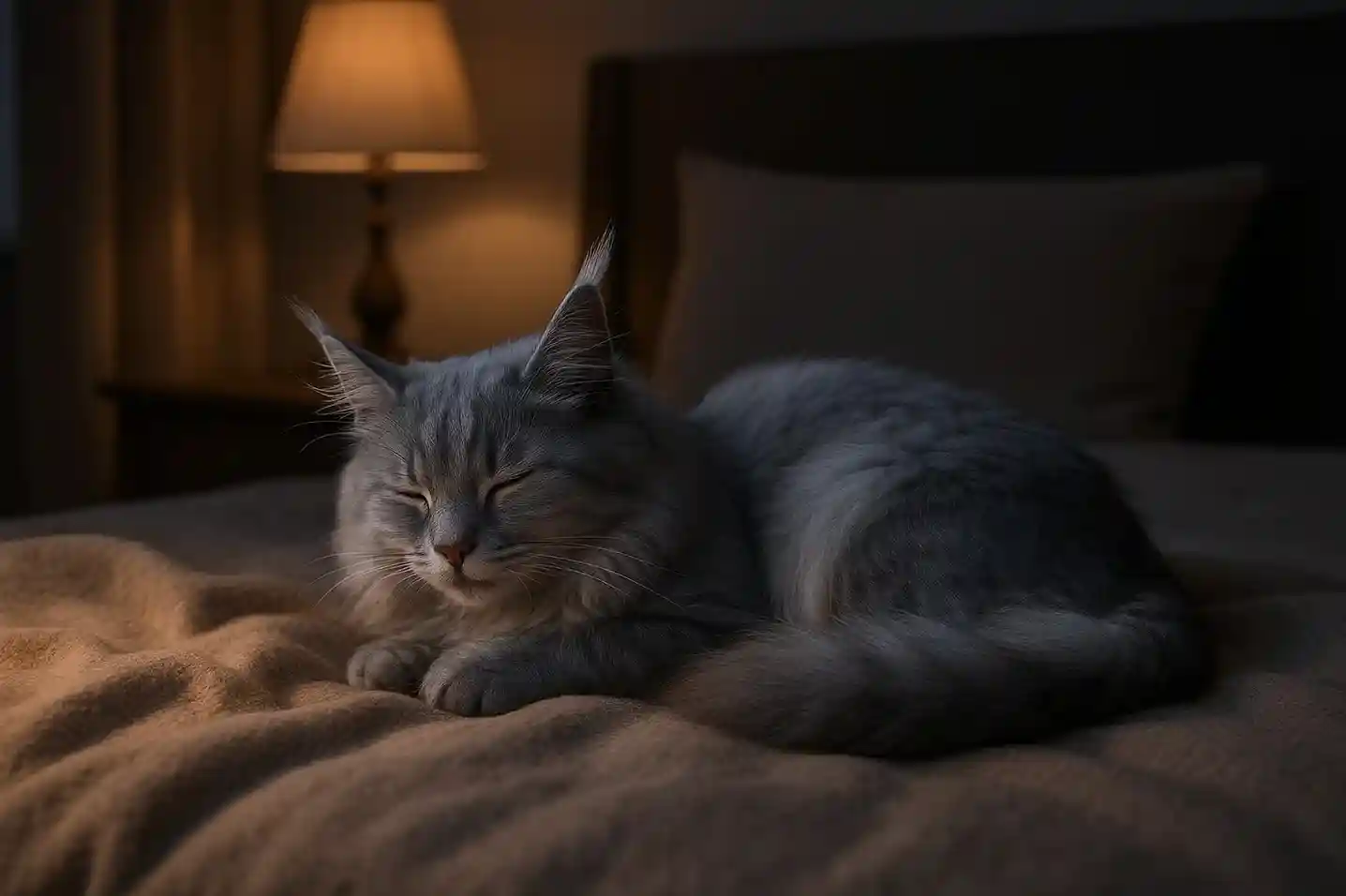
Why does my pet twitch when she is sleeping?
Naturally, you begin to wonder what is going on in her mind when she sleeps when you notice her paws twitching or her whiskers quivering or her tail twitching. Even though such minor movements might indicate a healthy dreaming process, active memory processing, and deep sleep, an abnormally intense twitching may also indicate any form of discomfort or internal problems.
My name is Dr. Elara Vance, I am an American veterinarian who has been researching the sleep behavior of cats over the years, observing the nighttime behavior and assisting cat owners get to know what these tiny gestures actually are.
In this blog, I will explain you how the twitching of your cat can tell you about her sleeping cycle, her instincts, her general health, and what you should look out in her behavior.
Understanding The Feline Sleep Cycle
Cats don’t sleep in one long, still stretch. Their bodies move through repeating sleep stages, each triggering different levels of muscle activity, brain function, and reflex response. These stages shape how deeply your cat rests and why twitching appears during certain moments.
Light Sleep
During light non-REM sleep, your cat rests in relaxation with slower breathing and relaxed muscles. Her body is aimed at recovery and recuperation. Twitching is minimal here because the brain stays calm, placing priority on physical recovery instead of dream activity.
Deep Rest
When your cat enters deeper non-REM sleep, her heart rate steadies and movement nearly disappears. This stage anchors her sleep cycle and prepares her mind for the more intense activity of REM. Twitching remains rare, showing how relaxed her body truly is.
REM Stage
REM sleep sparks brain activity, sending tiny signals into muscles that create twitching. You may notice paw flicks, whisker movement, or quick tail shifts. This stage is connected to dreaming, and the active brain naturally produces small, harmless physical reactions.
Fast Cycles
Cats move between non-REM and REM stages quickly, completing a cycle in about twenty to thirty minutes. Because REM appears often, twitching becomes a normal part of rest. These fast cycles keep them alert yet deeply rested throughout the day.
Check Also: Pet Sleep Needs Estimator
Dreaming & Brain Activity In Cats
Cats dream unusually complicated and their brains do not rest when they are asleep. Twitching tends to be memory, instinct or sensory responses passing through various sleep phases, particularly in the most active and profound sleep periods.
REM Signals
In REM sleep, your brain transmits rapid electric impulses to the nervous system of your cat. These cues generate gentle paw shaking, flicking of the whiskers and minor body responses as she has her brain running activity, data and response in the background.
Memory Replay
Your cat’s brain reviews daily experiences while she sleeps. Playtime, exploring, or interactions at home can resurface as dream sequences. These mental echoes cause small twitches as her muscles briefly respond to remembered actions or sensations.
Instinct Sparks
Deep instincts don’t disappear during sleep. Hunting patterns, tracking responses, or climbing reflexes may activate in dreams. These instinctive signals often create subtle motions, showing how your cat’s natural behaviors stay active even in deep rest.
Emotional Flow
During the dreaming process, cats process emotions. Small twitches can be caused by excitement, curiosity, stress, or comfort as the brain traverses through emotional memories. These nocturnal responses will enable your cat to calm down emotions and hold a sound emotional status.
Normal Twitching Vs. Concerning Movements
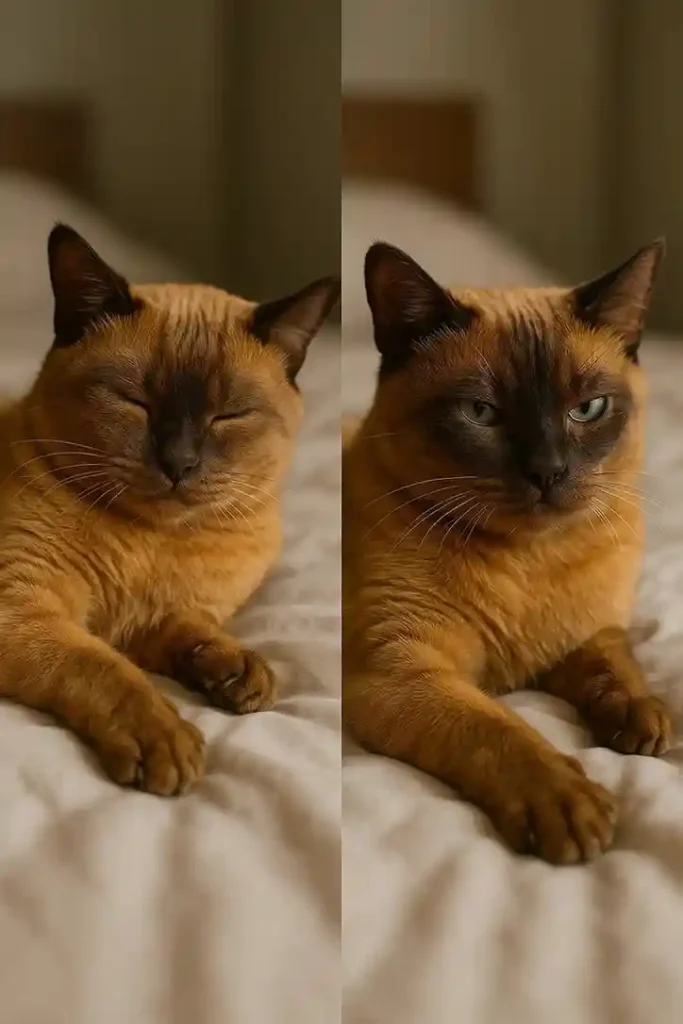
The sleeping behavior of your cat can appear weird though the majority are harmless dream reactions. Nevertheless, certain actions could be indicative of pain or health issues. The difference will make you know when it is normal or when you need to take notice.
Gentle Twitches
Light paw flicks, whisker shifts, or tail movements usually come from REM sleep. These gentle actions happen when your cat processes memories or instinctive behaviors. They appear briefly, stay controlled, and stop naturally as her sleep cycle shifts to a calmer stage.
Small Facial Moves
Active dreaming is evidenced by ear twitches, eye flickers or tiny jaw movements. These cues exist where the brain transmits weak signals using relaxed muscles. They remain soft, quick, and never leave your cat tense, startled, or distressed when she wakes up.
Stronger Jerks
Forceful or repetitive jerks can signal something beyond dreaming. When movements grow intense or involve multiple limbs, it may reflect discomfort or neurological activity. These episodes tend to last longer and appear more disruptive than normal REM-related twitching.
Whole-Body Motion
Squeezing the whole body by jerking rhythmically is not normal sleep. When these movements persist even after you call to her, it can point to a more serious problem. Full-body patterns often look more mechanical and don’t fade quickly during rest.
Check Also: Pet Pain Signal Quiz
The Role Of Memory & Instinct
The dreams of your cat assist her brain to organize the everyday experiences, train instinct, and deal with the mood. These little twitches of the sleeps reveal how lively her mind is even when her body is quite busy asleep.
Memory Work
During sleep, cats practice and organize memories and repeat events in their day to facilitate learning. This assists them to retain habits, enhance navigation and perfect manners. Their brains filter what matters, shaping how they respond to familiar situations when awake.
Instinct Triggers
Dreaming activates natural hunting instincts stored deep in your cat’s mind. Paw flicks or whisker twitches tend to indicate imagined running or tracing actions. These automatic responses make reflexes sharp even when your cat does not go outdoors to hunt or even meet actual prey.
Emotional Reset
Cats dream to deal with such feelings as excitement, curiosity, or minor stress. This sorting of emotions helps them to remain balanced and calmer upon waking. The gentle twitches you see often reflect their minds settling after a stimulating or busy day.
Sensory Replay
When you sleep, you relive what you heard, smelled, and saw. Such sensory memories create light muscular reactions such as ear flicks or jaw trembles. Recreation of these sensations increases the familiarity and makes your cat feel more comfortable in everyday situations.
Check Also: Breed Temperament Matcher
Environment Factors & Twitching
The environment that your cat is in determines the extent of her sleep and the frequency of twitching. The slightest alterations in the room may affect her quality of sleep, dreaming activity and relaxation.
Noise Levels
A quick or irregular sound, even in the middle of sleep, keeps the brain of your cat alert. This may result in rapid ear twitches, minor jerks or body movements. The persistent noise can reduce REM sleep and result in more frequent twitching since her mind attempts to process disruptions.
Room Temperature
Heat will also assist your cat to enter into deep sleep patterns enhancing the chances of dream twitching. Cooler rooms slow down muscle relaxation and inhibit REM. Consistent, comfortable temperatures support smoother sleep and create more predictable twitching patterns throughout her rest.
Light & Shadows
Your cat can be triggered to wake up and move by the shadows or faint lights. Her brain can respond to movements she feels, twitching whiskers or flicking a tail. Dark, monotonous lights assist her in remaining in constant sleep phases without added sensory cues.
Daily Activity Level
Cats who play, explore, or climb more during the day produce stronger dream activity at night. Their brains manipulate these memories by twitching and small reflex movements. Cats that are less active are less prone to sleep with fewer observable twitches or muscular responses.
Check Also: Pet Travel Checklist Builder
Age-Related Twitching Differences
The twitching of cats changes as they become older, and you can tell a lot about how they sleep by observing how the age affects the twitches.
Kittens
Twitching may be a frequent behavior among kittens as their brains develop motor skills and interpret new experiences. Their REM sleep is long, strong and active, thus forming rapid flicks and repetitive tiny jerks. These movements assist their nervous system to form normally as they grow early.
Adult Cats
Adults also twitch less as compared to kittens since their brains and bodies are fully developed. Their sleep cycles are more consistent, forming softer and shorter movements. Most twitching reflects normal dreaming, mild memory activity, and instinctive reactions happening quietly beneath deeper, calmer rest.
Senior Cats
Aging nerves, less sleep, or a bit of discomfort can cause older cats to twitch more. The evolution of muscle tone and joint sensitivity may influence the response of their bodies during rest. Senior cats are to be carefully monitored in case of sudden twitching.
Check Also: Senior Pet Quality of Life (QoL) Score
Health Issues Linked To Abnormal Twitching
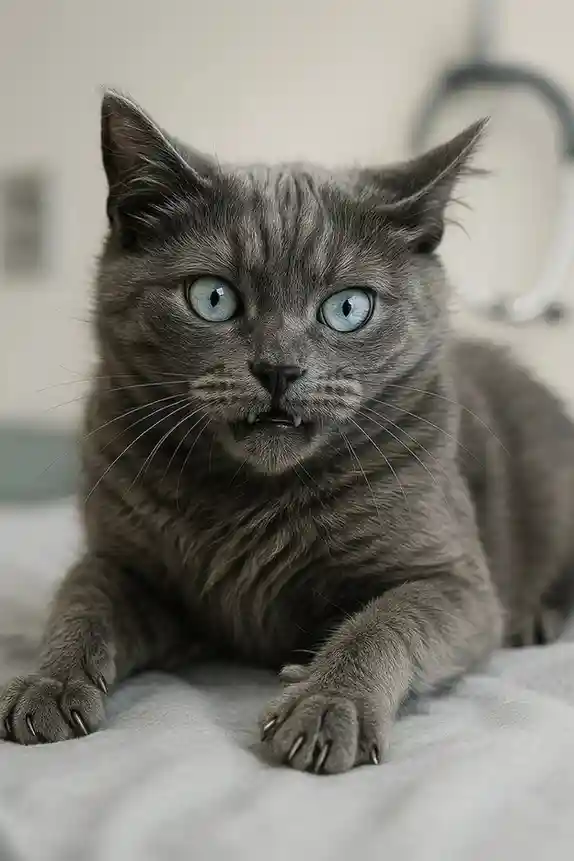
It is common and ordinary, but more serious or frequent movements can signify underlying health problems. Twitching may signal an issue with nerves, muscles, or overall comfort in your cat when it appears too long, excessive, or other symptoms are involved.
Seizures
Seizures also lead to uncontrollable, powerful jerking which lasts longer than in dreams. Rigid limbs, drooling, or confusion may follow in your cat. These bursts are more severe than the light sleep movements, and they typically reflect a neurological abnormality requiring medical care.
Feline Hyperesthesia
This condition causes rippling skin, jerks of suddenness and oversensitivity in the back. Sharp twitching may also occur even when sleeping. Hyperesthetic cats have a great response to touch, overgrooming, and high-speed tail activity during the day and rest.
Pain Or Discomfort
The cat may charter sharply during sleep because of injuries, arthritis or internal pain. These movements are usually quick flinches and not dream like movements. There will also be likely restlessness, repetition, or sensitivity to touch after waking.
Toxic Exposure
Shock of toxic plants, chemicals, or domestic toxins may cause tremors which persist even during sleep. Trembling can be intensified in the long run and present itself by vomiting, shallow breaths, or stumbling. These symptoms must be managed as a case of emergency.
Check Also: Pet Health Symptom Checker
When To See A Vet
The twitching is usually harmless, but some signs are worth noticing. In case the movements appear abnormal, more than normal or leave your cat acting differently, then it is wise to seek a professional examination so that you can be sure nothing serious is involved.
Intense Or Repetitive Jerking
Twitching can indicate neurological stress instead of dreaming when it grows strong or occurs in a consistent pattern. Shaking must be examined by a vet to exclude seizures, pain, and nerve-specific problems that should be addressed early.
Confusion After Waking
When your cat wakes up shaky, jumpy, or strangely lost after twitching, it is a likely indication of deeper brain activity that was not normal. This confusion indicates that it might not have been mere dreaming, and it is safest to take the case to the veterinary.
Stiff Or Rigid Limbs
Locking of limbs, sharp extension and stiffness during sleep are not normal REM responses. These stiff movements usually indicate nerve discharges or seizures. A veteran can analyze the cause as neurological, pain-related, or related to some other condition.
Distressed Sounds
Screaming, yowling, or vocal reactions when sleepy are not normal and can hardly be associated with innocent dreaming. Such suffering sounds tend to indicate pain or fright. Vet visit can determine whether the cause is pain, anxiety or underlying health issues.
Check Also: Pet Sitter Instructions Template Builder
FAQs:
Why is my cat twitching?
Typically REM sleep dreaming which leads to involuntary minor movements of the muscles.
Is sleep twitching normal?
Yes, the majority of twitching is normal and healthy cat dreaming.
Should I wake her up?
No, leave her to sleep on unless some unusual intensity in movements.
Can twitching mean pain?
Sometimes, particularly in case movement seems rigid, pained, or tedious.
Final Words:
The next time you see your cat sink into those dreamy twitchy states, remember most of these little twitches are signs of a healthy active mind processing the world around her. It is in sleep that her instincts repeat, her memories form, and her feelings rest. When twitching remains light and natural, it is merely a reflection of the profound beats of a feline brain doing what it should. You should only intervene and worry when something about the movement is unusual or too intense.
Nevertheless, you are the one who knows your cat. In case of jerking that turns to be forceful, confusion upon waking, or any other manifestation that does not seem right, follow your gut and seek a professional advice.